Blog
Welcome to our Seed Saving Blog, a vibrant community dedicated to preserving the rich diversity of our plant heritage and promoting sustainable gardening practices. Whether you are a seasoned gardener or just starting out, you’ll find a wealth of knowledge, tips, and inspiration here to help you save seeds from your favorite plants. Join us as we explore the art and science of seed saving, share stories of unique and heirloom varieties, and build a network of gardeners committed to nurturing our environment and ensuring a resilient future for our gardens. Let’s grow together!
-
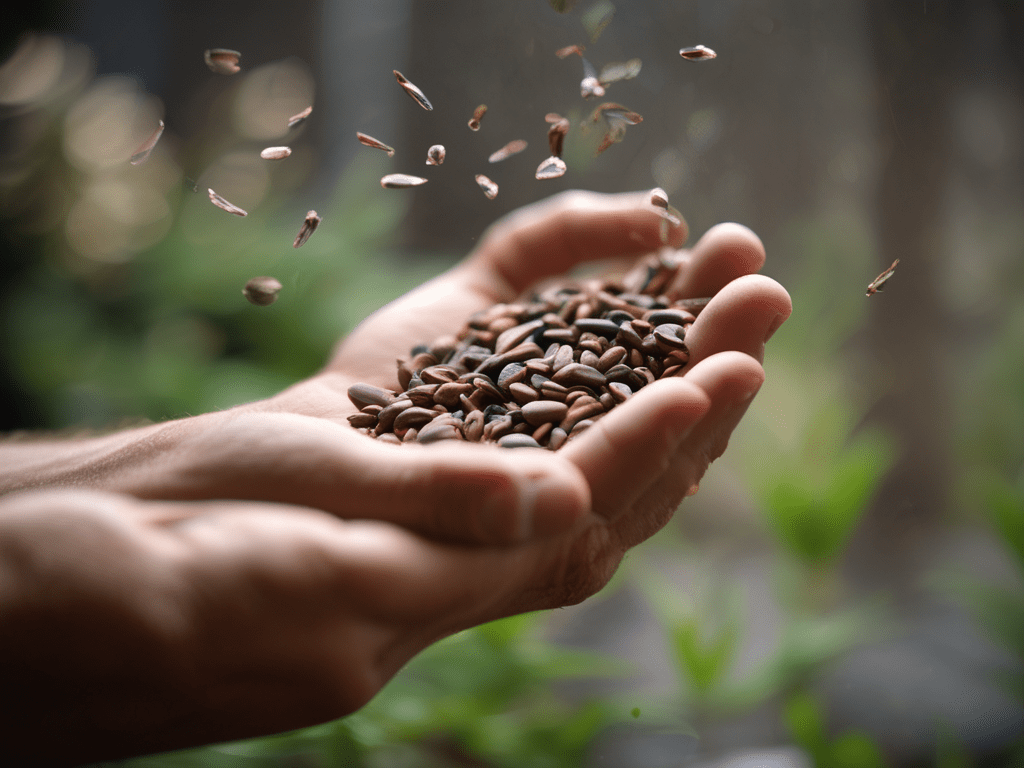
The Benefits of Saving Seeds from Your Garden
As gardening enthusiasts, we often focus on cultivating the perfect plants, nurturing our soil, and creating beautiful landscapes. However, one crucial aspect of sustainable gardening that is sometimes overlooked is the practice of saving seeds from our own gardens. This simple yet powerful act offers numerous benefits that extend beyond the individual gardener, impacting the environment, the community, and the resilience of our food systems.
Preservation of Unique Varieties
One of the most compelling reasons to save your own seeds is the preservation of unique and heirloom plant varieties. Commercial seed companies tend to focus on a limited selection of varieties that are uniform, easy to ship, and have a long shelf life. However, these criteria often come at the expense of flavor, nutrition, and adaptability. By saving seeds from your garden, you contribute to the preservation of genetic diversity. This ensures that rare and heirloom varieties, which may have exceptional taste or specific adaptations to your local climate, continue to thrive. These unique plants are not only a delight to grow but also play a crucial role in maintaining biodiversity.
Adaptation to Local Conditions
Plants grown from seeds saved in your garden are better adapted to your specific environmental conditions. Over several generations, plants that thrive in your particular climate, soil, and pest pressures will produce seeds that carry these advantageous traits. This natural selection process results in stronger, more resilient plants that are better equipped to handle local challenges. By saving and replanting these seeds, you create a garden that is uniquely suited to its environment, reducing the need for chemical inputs and increasing the overall health and productivity of your plants.
Cost Savings and Self-Sufficiency
Another significant advantage of saving your own seeds is the cost savings it offers. Purchasing seeds each season can add up, especially if you grow a diverse array of plants. By saving seeds, you can create a self-sustaining garden that reduces your dependency on external sources. This not only saves money but also provides a sense of empowerment and self-sufficiency. In times of economic uncertainty or supply chain disruptions, having a personal seed bank ensures that you can continue to grow your own food and maintain your garden without relying on outside suppliers.
Community Building and Knowledge Sharing
Seed saving can also be a communal activity that strengthens local gardening communities. Sharing seeds with friends, neighbors, and local gardening groups fosters a sense of connection and collaboration. It encourages the exchange of gardening tips, stories, and experiences, enriching the collective knowledge of the community. Seed swaps and local seed libraries are excellent opportunities to share your excess seeds and acquire new varieties that others have saved. This not only diversifies your garden but also strengthens the resilience of local food systems by promoting seed sharing and conservation.
Environmental Benefits
Lastly, saving your own seeds has notable environmental benefits. The commercial seed industry often involves extensive transportation, packaging, and energy use, contributing to a larger carbon footprint. By saving and using seeds from your garden, you reduce the environmental impact associated with seed production and distribution. Additionally, growing plants that are well-adapted to your local conditions can minimize the need for chemical fertilizers, pesticides, and herbicides, further reducing your ecological footprint.
In conclusion, saving seeds from your garden is a practice that offers numerous rewards. From preserving unique plant varieties and fostering local adaptation to promoting self-sufficiency and building community, the benefits are extensive and impactful. By incorporating seed saving into your gardening routine, you contribute to a more resilient, sustainable, and connected world. So, next time you harvest your crops, take a moment to save some seeds and embark on a journey that nurtures both your garden and the planet.
Subscribe
Enter your email below to receive updates.
 Mountain Ranch Seed Library